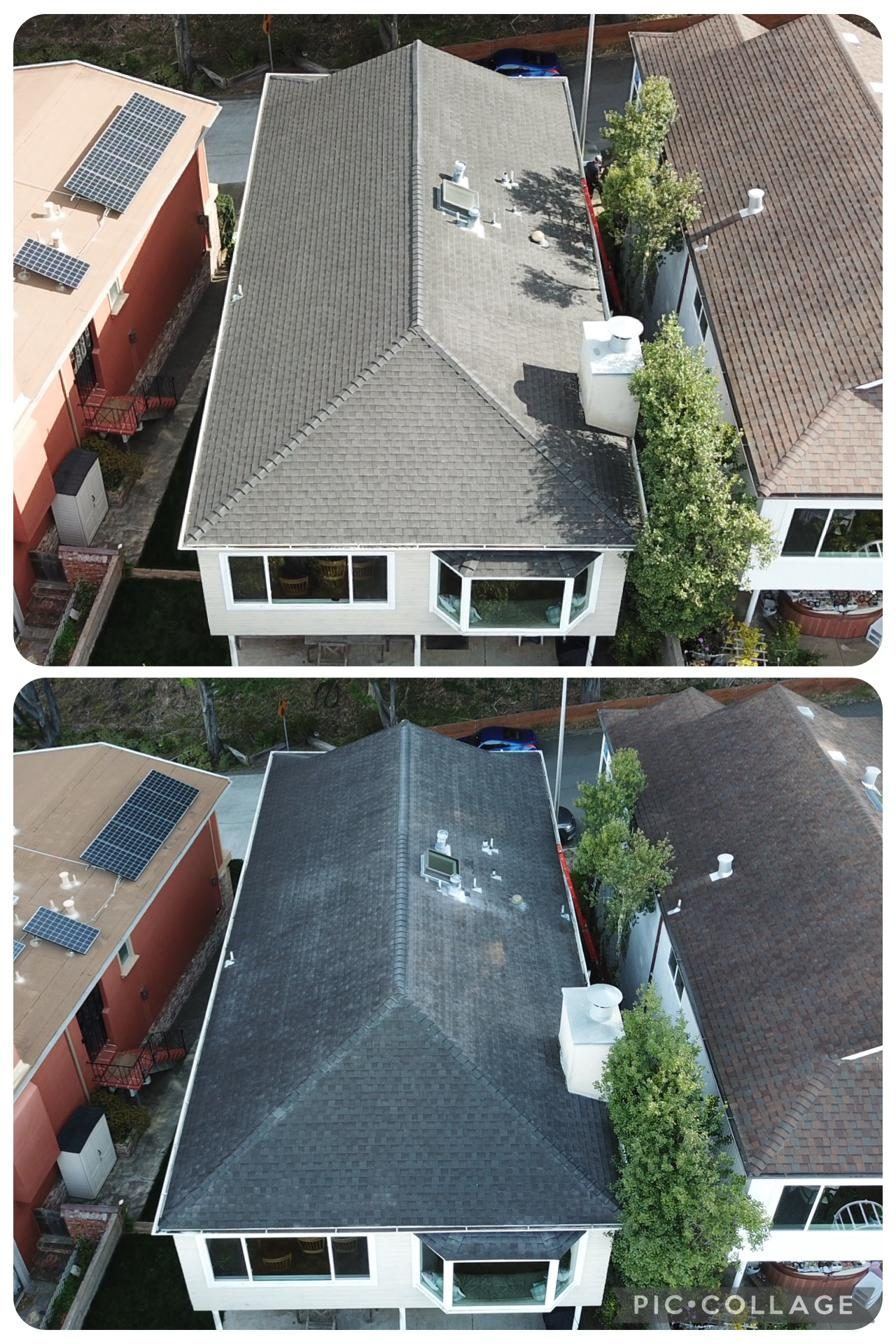
If you've owned a home in California for any length of time, you already know the insurance market is in crisis. What you may not know is that one of the biggest triggers for non-renewal is something most homeowners never see: the condition of their own roof, as photographed from above.
This is happening across the Bay Area right now. Peninsula homeowners are opening letters from Liberty Mutual, State Farm, Safeco, and others — notices that their policy will not be renewed, citing "moss, mildew, algae, or mold" observed in aerial or satellite imagery.
Some of these notices are warranted. Many are not. But the outcome is the same: you either resolve the cited issue, or you lose your coverage.
How insurers are actually inspecting your home
The era of an adjuster driving by your house with a clipboard is effectively over. Today's residential inspections happen via:
- High-resolution satellite imagery — some providers update monthly
- Drone surveys — contracted by major insurers for targeted properties
- Third-party aerial imaging services — specialized companies who flag "high-risk" roofs from above
- Automated image analysis — AI systems trained to detect staining, debris, and organic growth
And crucially: they don't have to tell you this is happening. Most states, California included, allow insurers to conduct these remote inspections without notification. You find out when the non-renewal letter arrives.

Why moss and algae are the #1 trigger
From an insurer's perspective, organic growth on a roof is a leading indicator of two things they want nothing to do with: deferred maintenance and accelerated wear.
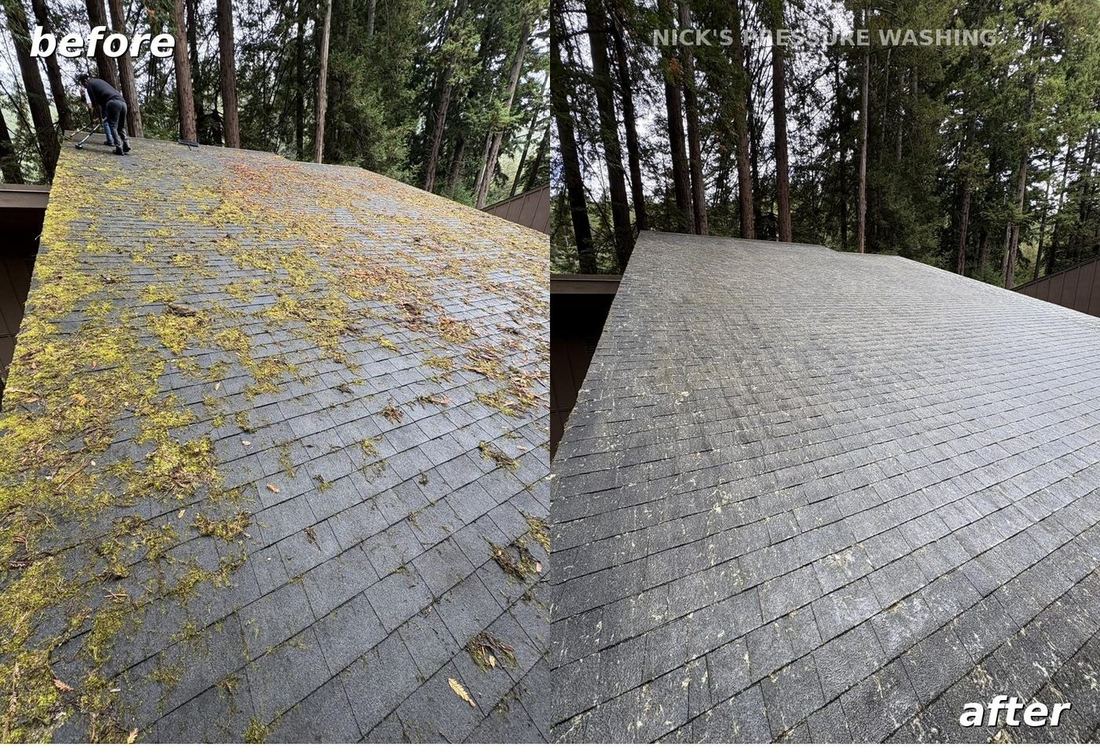
Moss doesn't just sit on a roof. It spreads root-like structures (rhizoids) that work themselves between shingles, lifting them away from the membrane below. It retains moisture against the roof surface, accelerating decay. It hides small cracks and loose shingles that would otherwise be visible.
Insurance companies have done the math. Roofs with visible moss are statistically more likely to file claims. They'd rather drop the policy than pay the claim.
Algae and black streaks — typically a bacterium called Gloeocapsa magma — are less destructive than moss but equally concerning to insurers. They're visible from aerial photography as dark horizontal staining, and they read as "neglected" from an underwriting perspective.
The scale of what's happening
Recent reporting suggests over 2.8 million California policies have been non-renewed in the past several years. Not all of those were roof-related, but a significant and growing portion are.
Peninsula neighborhoods are especially vulnerable for three reasons:
- Heavy tree canopy. Burlingame isn't nicknamed "City of Trees" for nothing. Beautiful for curb appeal; punishing for roofs.
- Fog-belt moisture. Chronic dampness is the ideal growing condition for algae and moss.
- High-value homes on older foundations. Many Peninsula homes are 40+ years old with original or near-original roofing.
What professional soft washing does for the problem
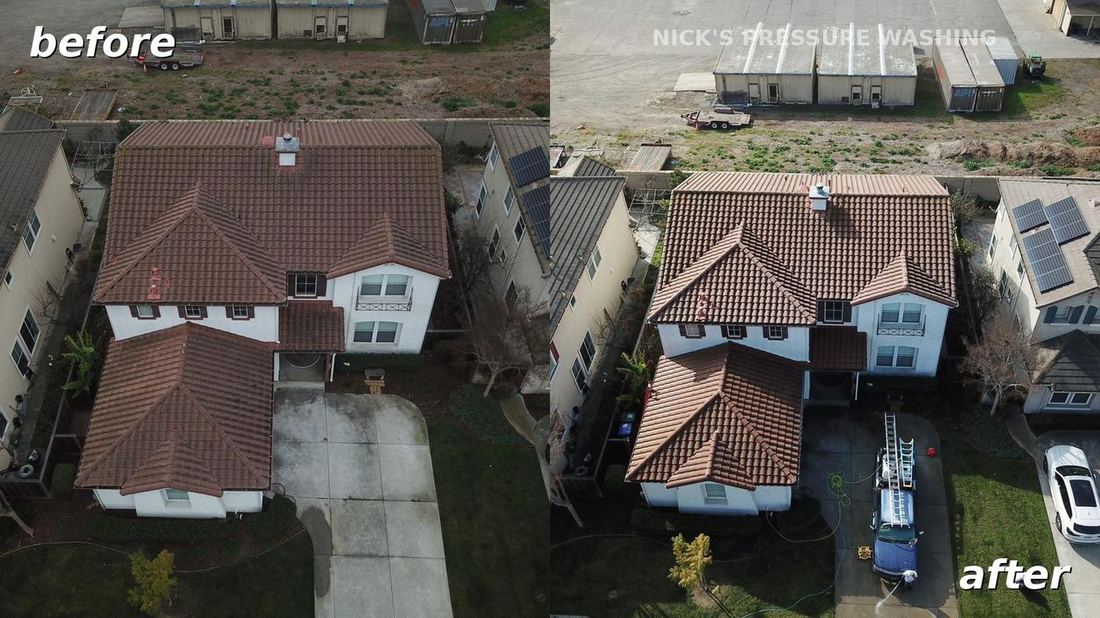
This is where soft washing earns its keep. A proper soft wash uses biodegradable, low-pressure detergents that kill moss and algae at the root — not just knock off the visible portion. Done correctly, the roof is clean within hours and stays clean for years.
The before-and-after difference is dramatic enough to reverse non-renewal decisions. We've worked with homeowners who got non-renewal letters, scheduled an immediate soft wash, submitted the post-cleaning photos, and had their policies reinstated.
What a soft wash removes:
- Black algae streaks
- Moss (entire root system, not just the green fuzz)
- Lichen
- Mildew
- Debris accumulation
What it doesn't do:
- Fix actual structural damage (missing shingles, cracked tile, sagging)
- Extend a roof that's already at end-of-life
- Substitute for a roofer's inspection
What to do right now, even if your policy is fine
Don't wait for the letter. The homeowners who avoid this problem are the ones who treat roof maintenance the way they treat their HVAC — as routine, scheduled, documented maintenance.
- Schedule a soft wash every 2–3 years (more often if you're under heavy tree cover)
- Keep records. Photos, invoices, before-and-after — all of it. If you ever need to prove your roof has been maintained, you'll have the documentation.
- Pair it with gutter cleaning. Clogged gutters and organic growth are related problems with a shared solution.
- Don't DIY it. Pressure washing a roof is how many of these problems start. Use a contractor who specifically offers soft washing.
If you've already received a non-renewal letter
Don't panic. You usually have options:
- Read the letter carefully to understand the specific issue cited.
- Get a professional soft wash scheduled immediately — document everything with photos.
- Consider also getting a roofer's inspection report documenting the roof's actual condition.
- Submit your documentation to your insurer and formally request reconsideration.
- If denied, file with the California Department of Insurance.
- If you need bridge coverage, look into the FAIR Plan.
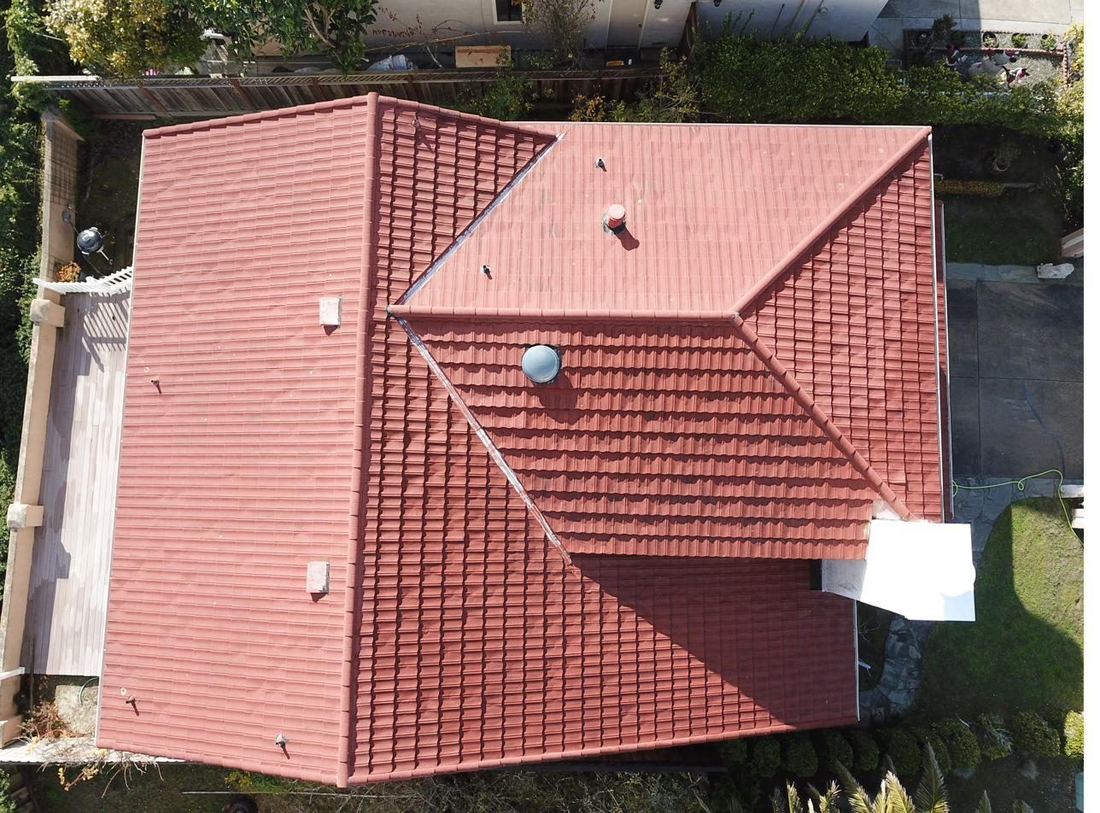
The goal at every step is to demonstrate — with dated photos, invoices, and independent reports — that the property is maintained and the roof is sound.
If you're in the Bay Area and unsure whether your roof is at risk, we're happy to take a look and give you an honest assessment. No pressure, no upsell.